
Software
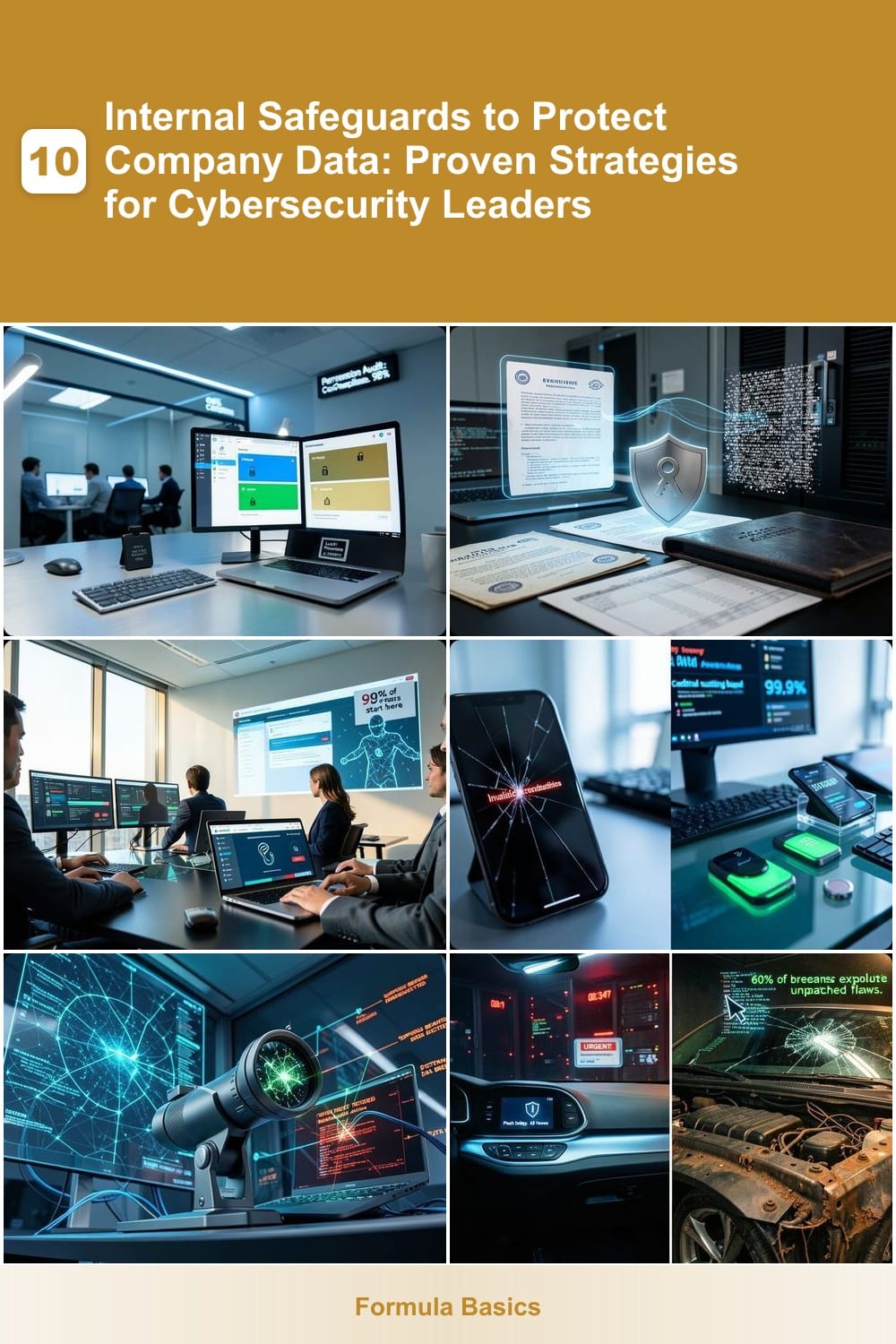
Data breaches cost businesses billions annually, but proactive internal safeguards can drastically reduce risks. These ten battle-tested strategies empower cybersecurity leaders to build a fortress around sensitive company data without relying solely on external solutions.
Role-Based Access Control Implementation

Imagine a workplace where employees only access what they need—no more, no less. Role-Based Access Control (RBAC) achieves this by tying permissions directly to job functions, drastically cutting insider threats. Studies show organizations implementing RBAC reduce privilege escalation risks by up to 80%, making it one of the most effective first lines of defense.
With RBAC, you define roles like "Finance Manager" or "HR Specialist" and assign permissions accordingly—giving accountants access to payroll systems but blocking them from customer databases. Solutions like Microsoft Azure AD or Okta automate this process, integrating seamlessly with existing tools. The result? Employees get just enough access to do their jobs, while sensitive data stays locked down from unauthorized eyes.
This safeguard shines brightest in mid-sized to large enterprises with complex workflows, but even small teams benefit from its clarity. Start with a role audit—map current access patterns, then streamline permissions. Your data will thank you. ✨
Automated Data Encryption for Sensitive Files
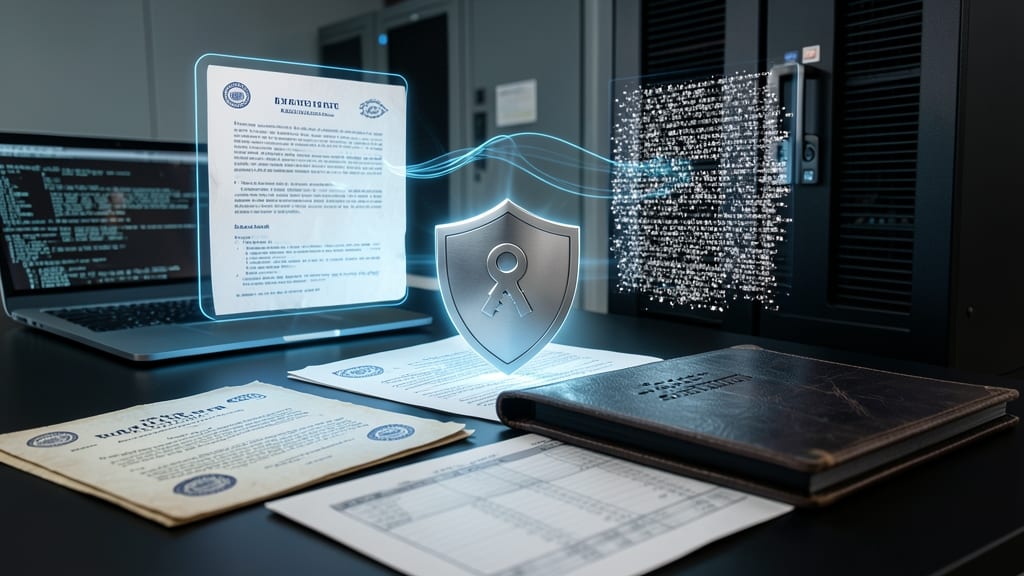
What if sensitive files—contracts, financial records, or trade secrets—could lock themselves automatically the moment they leave your system? Automated data encryption does exactly that, turning documents into unreadable ciphertext in real-time, whether stored or in transit.
Solutions like Microsoft Azure Information Protection or VeraCrypt apply AES-256 encryption by default, ensuring even lost devices can’t expose your data. These tools integrate seamlessly with cloud storage and email, so encryption happens without extra steps. For compliance-heavy industries, features like automatic classification (e.g., labeling "Confidential" files) ensure the right protection level is applied instantly.
This safeguard is ideal for companies handling patient records (HIPAA), customer data (GDPR), or proprietary IP. It’s the digital equivalent of a vault that locks behind you—no keys, no exceptions. ✨
Employee Security Awareness Training Programs

Your employees might be your biggest security risk—or your first line of defense. Phishing attacks account for 90% of all cybersecurity breaches, but interactive training programs can slash vulnerabilities by 75% by putting staff in real attack scenarios they’d actually face.
Solutions like KnowBe4’s simulated phishing campaigns or Proofpoint’s human risk analytics deliver tailored modules that mimic CEO fraud emails, malicious links, and social engineering tactics. These aren’t boring slideshows—they’re gamified challenges where employees unlock badges for spotting threats, with progress tracked in real-time dashboards. Studies show companies using these tools see fewer reported incidents and faster response times when breaches occur.
Ideal for organizations where human error is the top risk factor—think finance, healthcare, or any industry handling sensitive data. Start with a quarterly training cycle and watch your click-through rates on phishing emails drop dramatically. 💡
Multi-Factor Authentication Enforcement

Credential stuffing attacks are the #1 way hackers exploit weak passwords—but multi-factor authentication (MFA) stops them cold. By requiring a second verification method (like a fingerprint or one-time code) after passwords, MFA blocks 99.9% of automated attacks that rely on stolen login credentials.
Modern MFA solutions integrate seamlessly with SSO platforms like Okta or Azure AD, offering push notifications, hardware tokens, or biometric scans. Even simple SMS-based MFA adds a critical layer—studies show it thwarts 96% of credential-based attacks without disrupting workflows. The best systems also support risk-based adaptive authentication, triggering extra steps only when suspicious activity is detected.
This safeguard is non-negotiable for any company handling sensitive data, from healthcare records to financial transactions. Start with email and VPN access**, then expand to internal apps—every extra layer makes breaches exponentially harder. 💪
Endpoint Detection and Response Systems

While firewalls and antivirus software guard your network’s perimeter, Endpoint Detection and Response (EDR) systems act like cybersecurity snipers—monitoring every device in real-time to stop threats before they escalate. Unlike traditional tools that react to known malware, EDR uses AI-driven behavioral analysis to detect anomalies like unauthorized data exfiltration, ransomware encryption, or lateral movement by attackers.
Leading solutions like CrowdStrike Falcon or Microsoft Defender for Endpoint provide continuous visibility across endpoints, with features such as automated threat containment and detailed forensic reports. These systems don’t just flag suspicious activity—they isolate infected devices instantly, preventing attackers from pivoting to other systems. For organizations with remote workforces or hybrid environments, EDR fills critical gaps left by perimeter defenses alone.
Ideal for businesses handling sensitive IP, customer data, or financial records, EDR is the unsung hero of modern cybersecurity—especially when paired with other safeguards like network segmentation. 💻
Regular Security Patch Management

Think of security patches as the digital equivalent of routine car maintenance—ignoring them leaves your systems vulnerable to exploits that hackers exploit within minutes of release. According to IBM Security, 60% of breaches leverage vulnerabilities fixed by patches released months (or even years) earlier.
Automating patch deployment with tools like Windows Update for Business or Patch Management solutions ensures critical updates roll out consistently across all devices. Prioritize zero-day patches (emergency fixes for newly discovered flaws) and schedule regular maintenance windows to avoid disrupting workflows. The key is balancing speed with testing—deploying patches too quickly can break applications, while delays leave systems exposed.
This strategy is ideal for organizations with mixed IT environments, where legacy systems and modern endpoints coexist. Start with high-risk assets like servers and workstations, then expand to IoT devices and cloud services. 💪
Data Loss Prevention Monitoring Tools

Imagine catching a data leak before it leaves your network—Data Loss Prevention (DLP) tools do exactly that by scanning content in real-time across emails, cloud storage, and endpoints. Unlike traditional security measures that react after a breach, DLP acts as a proactive gatekeeper, stopping sensitive data from being exfiltrated accidentally or maliciously.
Leading solutions like Symantec DLP or Microsoft Purview use AI-driven content inspection to flag violations of policies (e.g., credit card numbers or proprietary documents) before they’re sent. They integrate with email gateways, SharePoint, and even USB drives, ensuring no data slips through cracks. Customizable policies let you define what’s allowed—like blocking attachments over 50MB or encrypting outgoing emails automatically.
This safeguard is a must for industries handling HIPAA or GDPR-regulated data, where fines for leaks can reach millions. Even small teams benefit from automated alerts that reduce human error—like that one employee who meant to email a client file to the wrong address. ⚡
Network Segmentation Implementation

Imagine a breach happening—but instead of spreading like wildfire, it’s contained to a single corner of your network. That’s the power of network segmentation, a strategy that divides your infrastructure into isolated zones to limit an attacker’s reach. Unlike traditional perimeter defenses, segmentation works inside your network, creating barriers that stop threats from jumping between departments or systems.
With tools like VLANs (Virtual LANs) or micro-segmentation, you can group devices by function—like HR systems, payment gateways, or R&D servers—each with its own security rules. For example, a compromised employee laptop in the marketing VLAN can’t access the finance database in another zone. Studies show segmented networks reduce breach impact by up to 80%, while tools like Cisco ACI or VMware NSX automate the process with minimal manual configuration. Even small businesses benefit by isolating IoT devices from critical servers.
This approach is ideal for organizations handling sensitive data across multiple departments, like healthcare providers or financial firms. Start with high-value assets—like customer databases—and expand segmentation gradually. The result? A zero-trust architecture where every segment is a potential firewall. ✨
Incident Response Plan Development

When a breach happens, every second counts—but many companies waste critical minutes scrambling for a response. A pre-built incident response plan turns chaos into action, with predefined roles, communication chains, and containment protocols that cut resolution time by 40%. Unlike reactive tools, this safeguard ensures your team isn’t learning on the job during a crisis.
The best plans include scenario-specific playbooks (e.g., ransomware, insider threats, DDoS) and automated escalation triggers for high-severity events. Tools like Splunk ES or IBM QRadar integrate with these plans to provide real-time alerts, while NIST’s IR framework offers a template for structuring procedures. Regular tabletop exercises keep teams sharp—without waiting for a real attack.
This isn’t just for enterprises: even small teams benefit from documented runbooks that assign clear ownership (e.g., "IT locks systems; PR handles public statements"). The payoff? Faster recovery, lower costs, and customers who trust you’ve got their data covered. ✨
Continuous Security Audits and Compliance Checks

Tired of last-minute audit failures that derail compliance and drain resources? Continuous security audits automate the hunt for misconfigurations and policy gaps before they become costly problems. Unlike manual checks, these tools scan your systems 24/7, flagging deviations from GDPR, HIPAA, or SOC 2 standards with real-time alerts—so you stay ahead of regulators and attackers.
Solutions like Tenable.io or Drata combine automated compliance tracking with configuration drift detection, pinpointing rogue devices, outdated software, or misapplied permissions across your entire infrastructure. They generate customizable audit reports that prove compliance during inspections, cutting failure rates by up to 70% in tested environments. The best part? You can integrate these tools with your existing SIEM for unified visibility.
This safeguard is a must for regulated industries (healthcare, finance) or any business facing third-party audits. Even smaller teams benefit from the peace of mind of knowing their security posture is always up to date—no more scramble mode before compliance deadlines. ✨