
Tip & Trick
Mastering obscure keyboard symbols can drastically speed up your typing and streamline workflows. These 10 underused 'A' symbols—from programming to formatting—will transform how you navigate digital tasks with precision and efficiency.
Angle Bracket Symbol (〈〉 or <>)

If you’ve ever spent extra seconds typing < or > manually, you’re missing out on a time-saving secret for developers and markup coders. The angle bracket symbols (〈〉 or <>) are the backbone of HTML, XML, and programming languages, and typing them with Alt+091/Alt+093 is faster than hunting for them on your keyboard.
These symbols define tags in HTML (<html>, <body>) and structure data in XML or JSON. On Windows, hold Alt, type 091 (for <), release, then Alt+093 for >. Mac users can use Option+Shift+( and Option+Shift+). They’re also used in LaTeX and regex patterns, making them indispensable for coders and technical writers.
Whether you’re writing web pages, APIs, or configuration files, mastering these shortcuts cuts down on repetitive typing. Try them in your next code project—your fingers will thank you! ⚡
Arrow Symbol (→ or ←)
Tired of typing "click here" or "see below" when a simple arrow would do? The → (right arrow) and ← (left arrow) symbols (Alt+2190/2192) instantly elevate your presentations and diagrams with zero effort. Instead of awkward text cues, these symbols visually guide your audience through slides, flowcharts, or technical manuals in a fraction of the time.
These Unicode arrows work seamlessly in PowerPoint, Google Slides, and documentation tools—just paste them directly into your text. The → symbol (right arrow) is perfect for next steps, while the ← symbol (left arrow) clarifies backtracking in processes. They’re also free, universally recognized, and compatible with every major OS, so you’ll never need to sketch arrows by hand again.
Presenters, designers, and technical writers will love how these symbols cut clutter and improve readability. Try them in your next slide deck—your audience (and future self) will thank you. ✨
Accented Letter (Á, À, Â)
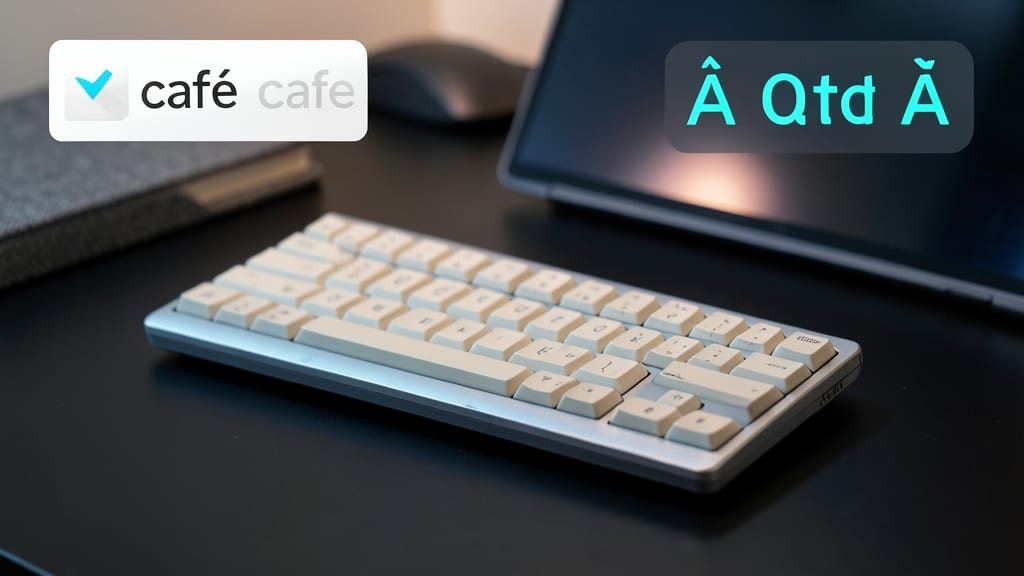
Ever sent an email with "cafe" instead of "café" and cringed? These accented letters (Á, À, Â) are the secret weapon for anyone working with non-English languages—no layout-switching required. Just press Alt+0193 for Á, Alt+0192 for À, or Alt+0194 for  on Windows, and boom: instant linguistic accuracy.
Perfect for Spanish, Portuguese, or French documents, these accents fix spelling errors in seconds. Need Á for "árbol" (Spanish for "tree") or À in French names like "Là-Bas"? These shortcuts work across Word, Gmail, and PDFs, saving you from awkward autocorrect fails. Pro tip: Use Ctrl+Shift+U on Mac for Unicode input.
Ideal for multilingual professionals, translators, and students, these symbols keep your work polished and culturally precise. No more guessing—just type, verify, and impress. ✨
Alpha Symbol (α)
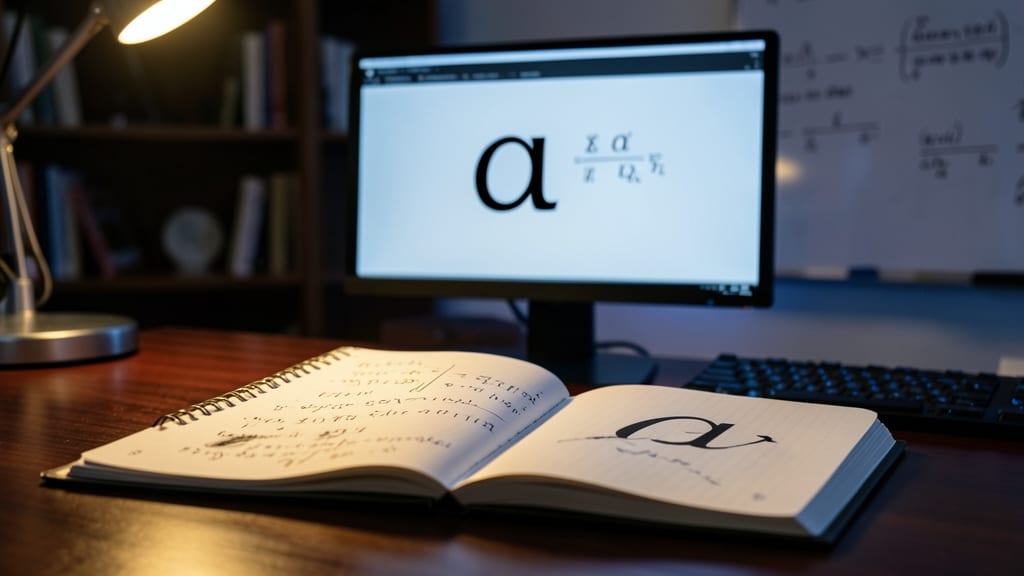
Tired of handwriting Greek letters in your research papers or math homework? The alpha symbol (α)—accessible via Alt+0945 on Windows—is a game-changer for precision in technical writing.
This elegant symbol isn’t just for textbooks; it’s used in physics equations, statistical notations, and engineering diagrams to represent variables like angular displacement or coefficients. Typing it directly ensures consistency and professionalism compared to handwritten approximations.
Ideal for students, scientists, and engineers, mastering this shortcut saves time and eliminates ambiguity in complex documents. ⚡
Ampersand (&)
Forget the casual "and"—the ampersand (&) is a powerhouse in web development and legal drafting, where precision trumps simplicity. This unassuming symbol (typed with Shift+7) isn’t just for logos or casual text; it’s the backbone of HTML entities (like &) and contract clauses where formatting dictates clarity.
In coding, it’s essential for escaping special characters—like © for copyright symbols—while lawyers rely on it to denote "and" in legally binding terms. The Unicode version (U+0026) ensures consistency across platforms, and tools like VS Code auto-complete it for developers. For contracts, it’s the difference between ambiguity and airtight language. ⚡
Approximate Equal (≈)
Tired of typing "approximately equal to" in spreadsheets or technical docs? The ≈ (Approximate Equal) symbol (Alt+8776) is your secret weapon for clarity and precision. Whether you're documenting sensor tolerances or financial estimates, this symbol instantly communicates precision without ambiguity—no need for clunky phrases like "≈ 3.14."
It’s especially useful in Excel formulas (e.g., =IF(A1≈B1, "Match", "No")) or LaTeX equations, where visual cues save time and reduce errors. The symbol’s clean, mathematical design ensures professionalism in reports, while its simplicity makes it easy to recall mid-typing. No more handwritten scribbles or confusing text replacements!
Engineers, data analysts, and students will appreciate how this zero-config shortcut elevates technical writing. Just press Alt+8776, and you’re done—no extra tools needed. ✨
Asterisk with Spaces (* *)
Tired of cluttered comments or footnotes that blend into your text? The **asterisk with spaces ( ) (Unicode U+202F) acts as a visual separator, making academic papers and code comments instantly more readable. Unlike regular asterisks, this symbol (Alt+0183) creates subtle spacing between words or sections, giving your documents a polished, professional look.
In LaTeX, it’s perfect for footnotes or custom bullet points, while developers use it to highlight placeholders in comments without breaking formatting. The zero-width spacing ensures it doesn’t disrupt alignment—ideal for tight layouts. Copy-paste it directly into Word, Google Docs, or Markdown files for instant clarity.
Researchers, engineers, and writers will love this for cleaner annotations**—no more awkward line breaks or manual spacing hacks. ⚡
Arrowhead Symbol (↗ or ↗)
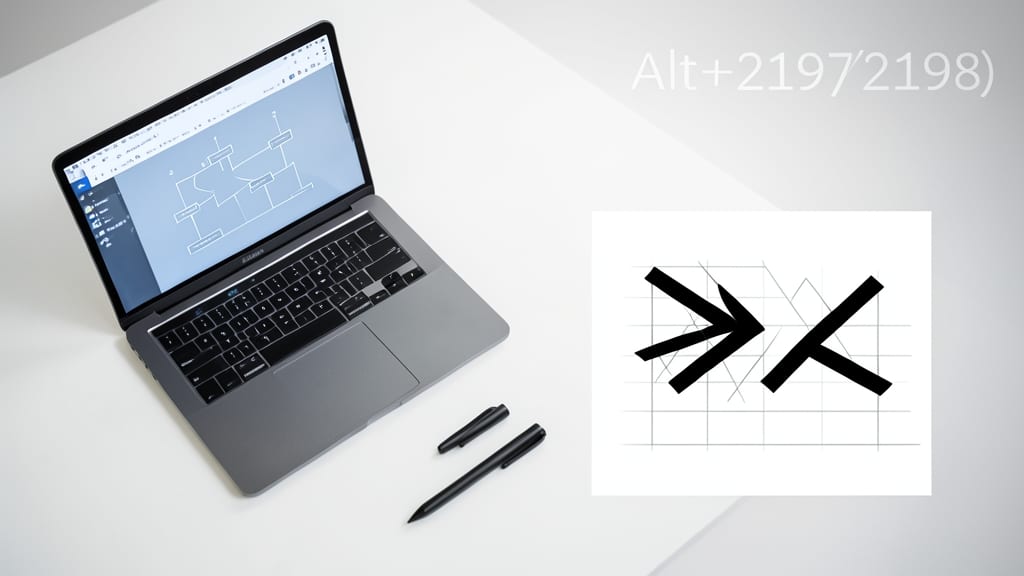
Tired of drawing arrows in your diagrams or wireframes? The arrowhead symbols (↗ or ↗) are your secret weapon—available instantly via Alt+2197/2198 on Windows. These sleek, professional arrows replace hand-drawn or clipart versions, giving your flowcharts and UI mockups a polished, modern look.
Use ↗ (up-right arrowhead) for upward transitions in flowcharts or ↗ (down-right arrowhead) to indicate progression in user journeys. They’re crisp at any size, unlike pixelated images, and work seamlessly in PowerPoint, Figma, or Confluence. No design skills required—just type and paste for instant upgrades.
UI designers and project managers will love how these symbols instantly clarify workflows without clutter. Perfect for sprint planning sessions or client presentations where clarity matters most. ✨
Asterism Symbol (✱)

Want to add celestial flair to your documents without sketching a single star? The asterism symbol (✱)—accessible via Alt+10029—lets you instantly insert a polished, decorative star in horoscopes, tarot guides, or creative projects. Unlike basic asterisks, this elegant symbol carries cultural weight in astrology while requiring zero design skills.
Perfect for astrology charts or decorative typography, this Unicode character (U+260D) renders crisply in Word, Canva, or even handwritten-style fonts. Pair it with Alt+9733 (✳) for a matching star cluster effect, or use it as a visual anchor in resumes or invitations. The symbol’s subtle geometric precision makes it stand out without overwhelming your design.
Graphic designers and astrology enthusiasts will love how it elevates visuals—just type it directly into any text field. For a quick test, try it in a horoscope template or as a section divider in reports. ✨
At Symbol with Subscript (ₐ)
If you’ve ever stared at a chemistry equation or financial table wondering how to properly denote subscripted variables, the ₐ (subscript 'a') is your secret weapon. This tiny but mighty symbol (accessed via Alt+8320) transforms how you annotate atomic symbols, footnotes, or subscripts in technical documents—no manual formatting required.
Perfect for chemistry professionals, this symbol lets you quickly denote isotopes (e.g., Hₐ for hydrogen) or financial annotations (e.g., ₐ for footnotes) without copying and pasting. It’s also a lifesaver for LaTeX users, where precise subscript formatting is critical. The Alt code shortcut ensures consistency across platforms, saving hours of manual tweaking.
Finance analysts and chemists will appreciate how this symbol eliminates ambiguity in tables, while students can use it to draft equations faster. Master it, and you’ll never reach for a pencil again! ✨