
Software
Microsoft SQL Server Management Studio (SSMS) is the go-to tool for database administrators and developers. Each version introduces critical features, performance improvements, and compatibility changes—knowing which version fits your needs can save hours of troubleshooting. This guide covers the 10 most important SSMS releases, their standout features, and compatibility considerations.
SQL Server Management Studio 18.12

If your enterprise is bridging on-premises databases with Azure cloud services, SQL Server Management Studio (SSMS) 18.12 is the missing link. This latest stable release introduces Azure Arc integration, letting you manage SQL Server instances across hybrid environments from a single interface.
The update includes enhanced query performance tools, support for SQL Server 2022, and a streamlined UI with dark mode for reduced eye strain. Most notably, Azure Arc enables centralized governance—patching, monitoring, and configuring databases whether they run in your data center or Azure. Compatibility spans Windows 10/11 and SQL Server 2016+, making it a future-proof choice.
Ideal for IT admins and cloud architects, this version simplifies hybrid migrations while maintaining the familiar SSMS workflow. 💻
SQL Server Management Studio 18.9
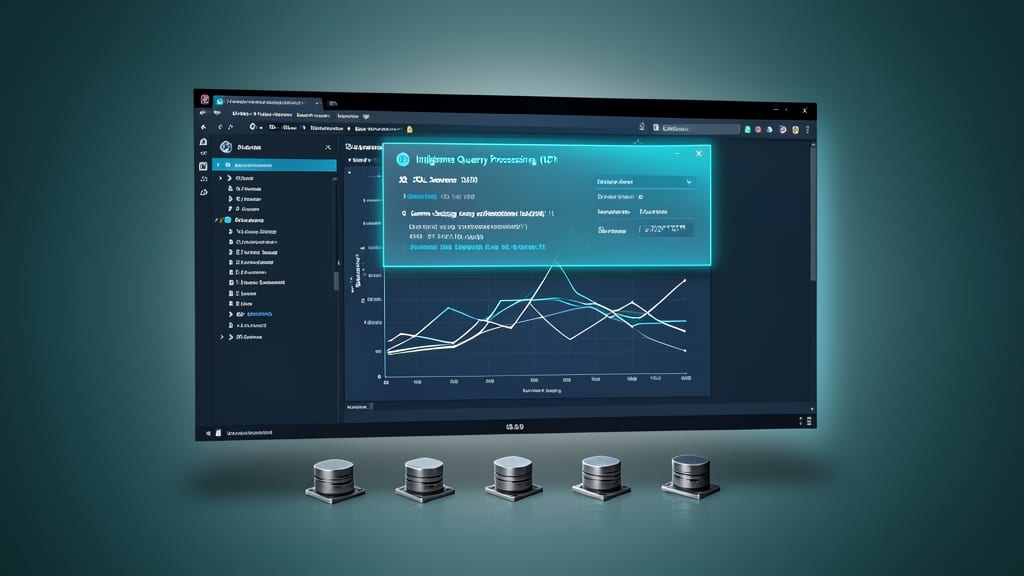
If you're battling slow-running queries in enterprise environments, SQL Server Management Studio 18.9 brings game-changing optimizations through Intelligent Query Processing (IQP)—a suite of query execution improvements introduced in SQL Server 2019.
This version was the first to fully integrate IQP features like batch mode on rowstore, memory grant improvements, and approximate query processing, letting you reduce execution times by up to 50% for complex analytical workloads. The Query Store enhancements also provide deeper insights into performance regressions, with automatic tracking of query execution plans and runtime statistics.
Data professionals managing large-scale databases will appreciate the zero-configuration approach to IQP—just upgrade to SQL Server 2019 and enable the feature in SSMS 18.9 for immediate performance gains. ✨
SQL Server Management Studio 18.5

If your DevOps team is juggling Windows and Linux environments, SQL Server Management Studio 18.5 is the game-changer you’ve been waiting for. This release introduced native Linux container support, letting you manage SQL Server instances running in Docker containers directly from the familiar SSMS interface—no need to switch tools or learn new commands.
The integration includes full CRUD operations (create, read, update, delete) on containerized SQL Server instances, along with query execution and performance monitoring—all while maintaining compatibility with traditional on-premises deployments. For teams using Docker Desktop for Linux or Kubernetes clusters, this means seamless database management across hybrid infrastructures, with zero config overhead for basic tasks.
This version is a must-have for DevOps engineers and cloud architects building microservices with SQL Server backends. It bridges the gap between legacy Windows deployments and modern containerized workflows, making it the ideal choice for teams adopting Kubernetes or Docker Swarm. ✨
SQL Server Management Studio 18.2

Tired of manually running the same database maintenance tasks every night? SQL Server Management Studio 18.2 introduces PowerShell scripting integration, letting you automate repetitive jobs like backups, index rebuilds, and permission updates with just a few lines of code.
This version adds a dedicated PowerShell script editor directly in SSMS, with IntelliSense support for SQL Server cmdlets and seamless execution against your databases. You can now script tasks like restoring databases from backups or generating compliance reports without leaving the familiar SSMS interface. The integration also includes error handling and logging features to track script execution.
Database administrators managing multiple servers will love this—automating routine tasks cuts hours off weekly maintenance while reducing human error. Perfect for teams already using PowerShell in their DevOps pipelines! 💻
SQL Server Management Studio 17.9
If you're still running SQL Server 2016 in production, SSMS 17.9 is your last lifeline. This version marked the final official support for SQL Server 2016, ensuring backward compatibility for legacy systems while Microsoft shifted focus to newer releases.
Beyond legacy support, it introduced basic Azure SQL Database tools, letting you manage hybrid cloud setups without full migration. The lightweight Azure integration included simplified connection strings and basic query monitoring—ideal for teams testing cloud readiness. Security patches for SQL 2016 also ended here, making this version critical for compliance-heavy environments.
Perfect for small businesses or legacy enterprise systems stuck on SQL 2016, but also useful for devs testing Azure SQL Database connections. ⚡
SQL Server Management Studio 17.4
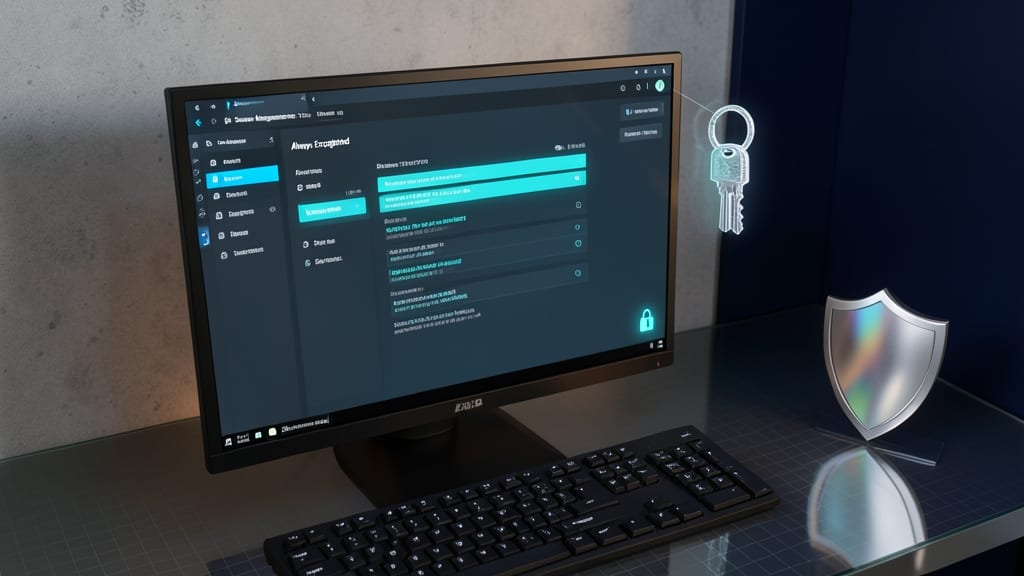
If compliance and data security are your top priorities, SQL Server Management Studio 17.4 is the version that finally brought Always Encrypted directly into the tool. This wasn’t just an incremental update—it was the first time SSMS gave you a native way to encrypt sensitive columns at rest and in transit, without requiring custom application logic.
The Always Encrypted feature lets you define encryption rules directly in SSMS, ensuring even database administrators can’t access plaintext data—only applications with proper keys. This was a game-changer for industries like finance and healthcare, where HIPAA, GDPR, or PCI DSS compliance demands end-to-end encryption. It also introduced column-level encryption, so you could protect specific fields (like SSNs or credit card numbers) without encrypting entire tables.
This version is a must-have for DBAs managing regulated data, especially those who need to audit encryption policies without compromising performance. If your workload involves sensitive financial records or patient data, 17.4’s built-in encryption tools could save you from costly third-party solutions. ✨
SQL Server Management Studio 17.2
If you're working with modern APIs or microservices, SSMS 17.2 bridges the gap between relational and NoSQL worlds—without leaving your familiar SQL environment. This version introduced native JSON import/export tools, letting you seamlessly handle semi-structured data alongside traditional tables.
The JSON Schema validation feature ensures data integrity when importing, while the FOR JSON PATH clause simplifies querying relational data as nested JSON. You can even store JSON documents directly in SQL Server tables using the JSON data type, making it perfect for hybrid architectures where some data fits relational models while other parts require NoSQL flexibility.
This version is ideal for full-stack developers building APIs or data engineers integrating legacy SQL systems with modern NoSQL workflows. ⚡
SQL Server Management Studio 16.5

If you're a data scientist tired of jumping between tools to build predictive models, SQL Server Management Studio 16.5 bridges that gap with its groundbreaking Python integration. This version lets you run Python scripts directly within SSMS, unlocking in-database machine learning without leaving your familiar SQL environment.
The integration includes support for Python 3.5+ and libraries like scikit-learn and pandas, while leveraging SQL Server's Machine Learning Services for seamless model training and deployment. You can now execute Python code alongside T-SQL queries, making it ideal for scenarios like real-time scoring or predictive analytics embedded in stored procedures.
Perfect for teams already using SQL Server but needing advanced analytics, this version is a game-changer for data scientists and BI developers working with large datasets. 💡
SQL Server Management Studio 16.1
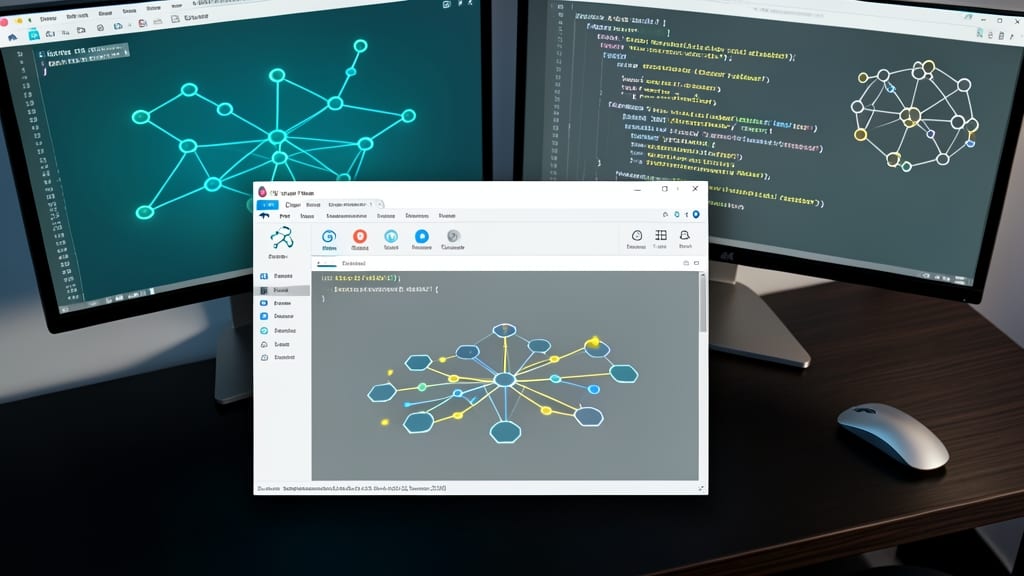
If you're building recommendation engines or analyzing social networks, SQL Server Management Studio 16.1 is the gateway to unlocking SQL Server 2017’s Graph Database features—something no earlier SSMS version could handle.
This release introduced native support for graph tables, letting you visualize relationships with node-edge diagrams and query them using T-SQL. The SHORTEST_PATH function became available for analyzing connections, while node and edge tables enabled flexible modeling of hierarchical data. Perfect for developers working with friendship graphs, fraud detection patterns, or product recommendation algorithms.
Data architects and analysts exploring connected data will find this version indispensable for prototyping graph-based applications before migrating to dedicated graph databases. ✨
SQL Server Management Studio 13.0
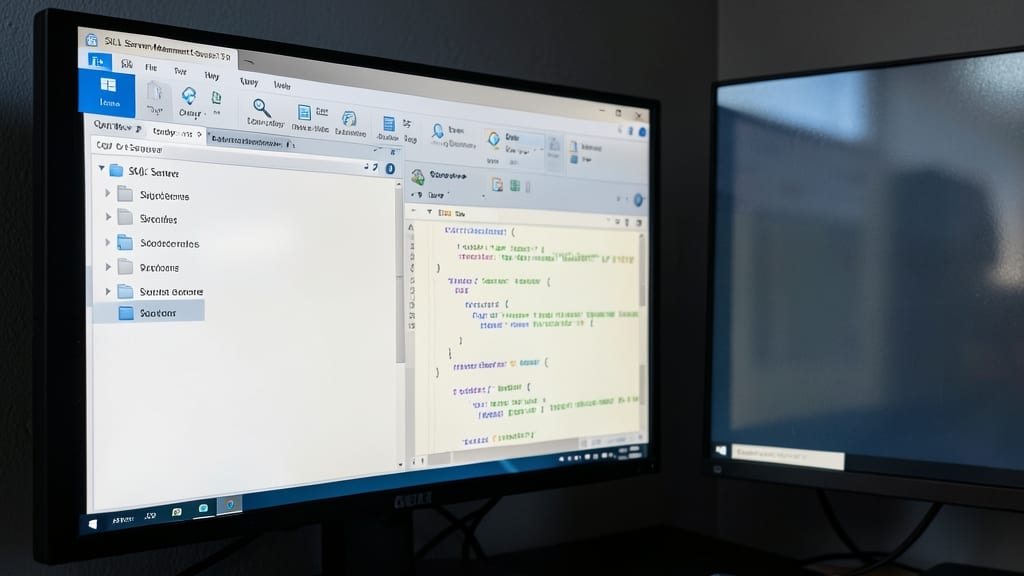
If you’ve ever used older versions of SSMS and felt like the interface was stuck in the past, SQL Server Management Studio 13.0 was the game-changer. Released in 2016, it introduced Microsoft’s ribbon interface—a familiar Office-style toolbar that replaced the outdated menu system, making navigation intuitive and efficient for both new and experienced users.
This version wasn’t just about looks; it also streamlined core workflows like query execution, table management, and server administration. The ribbon’s contextual tabs (e.g., "Database," "Tools," "Query") reduced clutter and accelerated tasks, while the improved IntelliSense cut down on typing errors. It also set the stage for future SSMS updates by establishing a modern, scalable foundation.
For DBAs and developers still working with SQL Server 2016 or earlier, this was the version that finally brought SSMS into the 21st century. Its influence is still visible in today’s releases—proof that sometimes, a fresh UI can change everything. ✨