
Coding
SQL Server 2012 introduced groundbreaking features that transformed database management for developers and enterprises. These 10 innovations boost performance, security, and scalability—making them essential for modern database professionals.
Columnstore Indexes for Massive Data Compression

Struggling with slow analytics queries on massive datasets? Columnstore Indexes in SQL Server 2012 could be your game-changer. This feature redefined data warehousing by storing data in vertical columns instead of horizontal rows, slashing storage needs while supercharging query speeds.
With up to 10x compression ratios, Columnstore Indexes dramatically reduce storage costs and I/O bottlenecks. They shine in data warehousing scenarios, delivering 10-100x faster query performance on analytical workloads compared to traditional row-based indexes. The best part? It works seamlessly with existing SQL Server 2012 features like partitioning and SSAS integration for end-to-end optimization.
Data analysts and BI professionals will love this feature for its ability to handle petabyte-scale datasets efficiently. If you're drowning in large-scale reporting tasks, Columnstore Indexes could transform your workflow overnight. ✨
Contained Databases for Enhanced Security

Tired of juggling server-level permissions when managing multiple databases? Contained Databases in SQL Server 2012 solved this by encapsulating all database objects—users, logins, and schemas—within the database itself, eliminating dependency on the server instance.
With contained user accounts, you can now manage permissions at the database level without requiring sysadmin rights, drastically simplifying multi-tenant environments. The zero-configuration approach also means no more complex server-side dependencies, making deployments cleaner and more portable—ideal for cloud migrations or SaaS providers needing strict isolation.
This feature is a game-changer for cloud-hosted apps and shared hosting providers, where security and scalability are non-negotiable. No more waiting on DBA approvals for simple permission changes! ✨
AlwaysOn Availability Groups for High Availability

Downtime isn’t just an inconvenience—it’s a business killer. AlwaysOn Availability Groups in SQL Server 2012 solved this by offering synchronous and asynchronous replication across multiple servers, ensuring your mission-critical apps stay online even during hardware failures or maintenance.
With automatic failover and readable secondary replicas, you can distribute read workloads while keeping primary databases synchronized. Unlike older mirroring solutions, this feature supports up to 8 secondary replicas, giving you unmatched flexibility for disaster recovery and high availability. The minimal performance overhead makes it ideal for enterprise-grade applications.
Perfect for financial systems, healthcare databases, or any environment where uptime is non-negotiable, AlwaysOn Availability Groups turn "what-if" scenarios into "no problem." 💪
SQL Server Data Tools (SSDT) for Unified Development
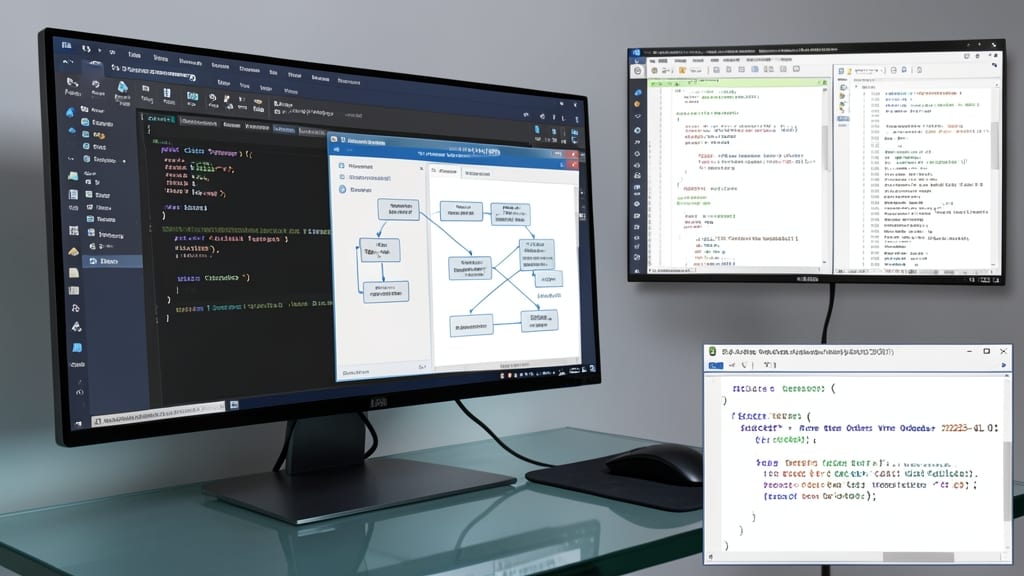
Tired of juggling separate tools for database development and application coding? SQL Server Data Tools (SSDT) bridges that gap by embedding database development directly into Visual Studio 2012. This integration lets you design, debug, and deploy databases alongside your application code—all within a single, familiar IDE.
With SSDT, you gain version control for database schemas (via TFS or Git), IntelliSense for SQL scripts, and debugging that works across both application and database layers. The schema comparison tools automatically detect differences between environments, while data-tier applications (DACs) package databases as deployable units—just like your app code. It’s the missing link for DevOps teams craving seamless CI/CD pipelines. 💻
Perfect for development teams building data-driven applications, SSDT eliminates context-switching between SSMS and Visual Studio. Whether you're a solo developer or part of a DevOps squad, this tool streamlines workflows while keeping your database and app code in sync from day one. ✨
Window Functions for Advanced Analytics

Tired of writing convoluted cursors just to rank sales data or calculate moving averages? Window functions in SQL Server 2012 eliminate that frustration by letting you perform complex analytics in a single query.
With ROWNUMBER(), RANK(), DENSERANK(), and OVER() clauses, you can handle ranking, aggregation, and time-series calculations without temporary tables or loops. For example, SUM() OVER(PARTITION BY category) calculates running totals per group instantly, while LAG() and LEAD() simplify financial trend analysis. The syntax is intuitive—no more debugging nested cursors.
This feature is a game-changer for financial analysts, data scientists, and BI developers working with real-time dashboards or complex reports. Say goodbye to performance bottlenecks and hello to cleaner code! ⚡
Power View for Interactive Data Visualization
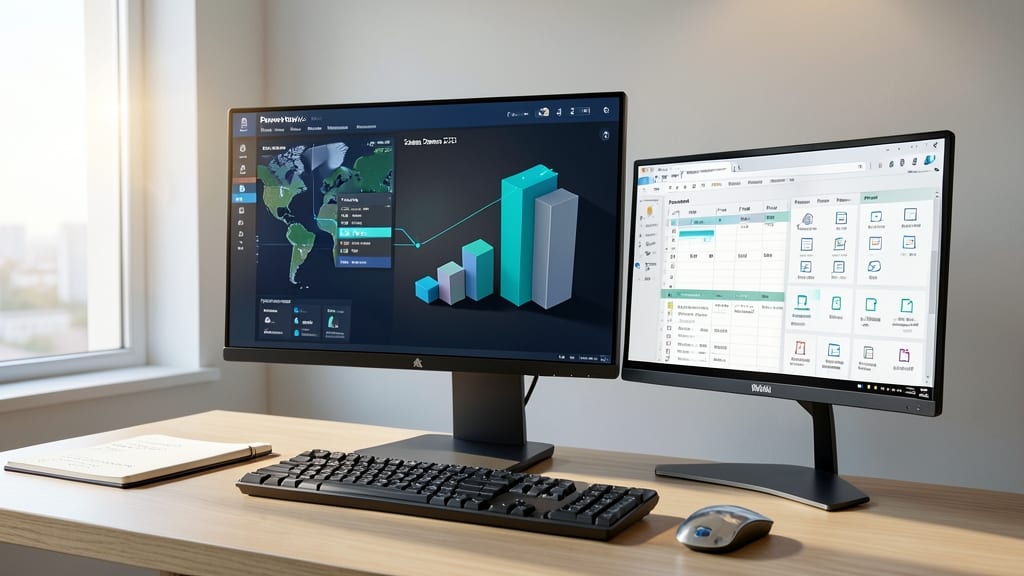
Tired of waiting for IT to build reports for you? Power View in SQL Server 2012 lets business users create stunning, interactive dashboards with zero coding.
This Excel-integrated tool offers drag-and-drop functionality to build pivot tables, charts, and maps directly from your data. No SQL knowledge required—just select your data source, arrange visuals, and filter results in real-time. The 3D geographic mapping feature even lets you pinpoint sales trends by region with a simple click.
Perfect for marketers, analysts, and executives who need to explore data trends without IT bottlenecks. ⚡
Sequence Objects for Custom Numbering

Tired of rigid identity columns that don’t adapt to your real-world numbering needs? SQL Server 2012’s sequence objects finally give you full control over ID generation—whether you need gaps, cycles, or multi-table coordination.
With sequences, you can define custom increments (like START WITH 100 INCREMENT BY 5), handle gaps automatically, or even cycle back to the start (e.g., CYCLE YES). Unlike identity columns, sequences support multiple tables sharing the same counter, making them perfect for complex schemas like audit logs or multi-tenant systems.
Database architects and developers managing intricate ID workflows—like inventory tracking or financial transaction IDs—will love this flexibility. It’s the upgrade your numbering logic has been waiting for. ✨
Contained User Accounts for Granular Permissions
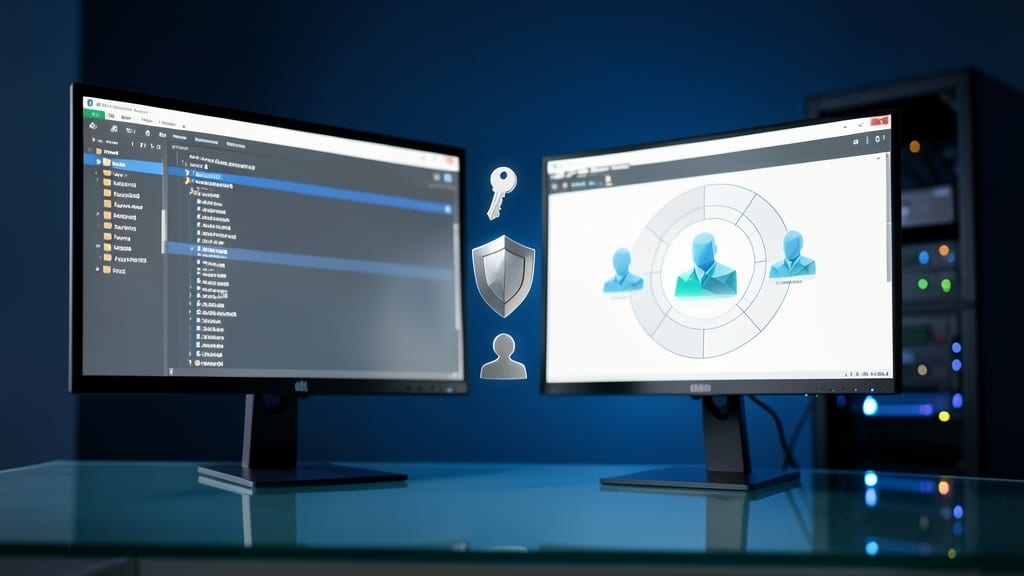
Tired of juggling server admin permissions just to manage user access in your SaaS application? Contained User Accounts in SQL Server 2012 lets you delegate control without granting full server access—finally giving developers and DBAs the granularity they need.
This feature enables database-scoped user management, meaning you can create, modify, and revoke permissions for specific databases without touching server-level logins. Perfect for multi-tenant SaaS environments, it supports contained database authentication (CDA) and integrates seamlessly with Windows authentication. No more waiting for IT to provision access—just grant a user rights to a single database while keeping other systems locked down.
Ideal for ISVs and SaaS providers, this feature eliminates the need for domain accounts or server logins, reducing complexity and improving security. Your tenants get their own isolated permissions—without the overhead. ✨
Memory-Optimized Tables for In-Memory Performance

If your database struggles with high-transaction workloads like banking or e-commerce, Memory-Optimized Tables in SQL Server 2012 could be your game-changer. This feature stores critical data directly in RAM, slashing latency for OLTP (Online Transaction Processing) systems where speed is non-negotiable.
Designed for durability and performance, these tables support natively compiled stored procedures (T-SQL) and optimistic concurrency control, reducing lock contention. The DURABILITY = SCHEMA_ONLY option lets you trade off full crash recovery for lightning-fast reads—ideal for scenarios where consistency isn’t compromised by occasional data loss.
Financial institutions and high-traffic retail platforms benefit most, as this feature cuts response times from milliseconds to microseconds. Perfect for systems where every millisecond counts! ⚡
Backup Compression for Faster Recovery

Disaster recovery just got a major upgrade with Backup Compression in SQL Server 2012. This feature slashes backup file sizes by up to 90% while cutting restore times dramatically—critical for organizations where downtime isn’t an option.
With compression enabled, you can back up massive databases without filling storage or networks. The BACKUP WITH COMPRESSION syntax integrates seamlessly with existing scripts, and it works across all editions (Enterprise, Standard, and even Web). Restores complete faster because less data needs to be read from backup media, making this ideal for large-scale environments.
Database administrators managing enterprise systems or cloud deployments will see the biggest benefits, as this feature directly addresses storage costs and recovery speed—two pain points in disaster planning. 💪