Windows
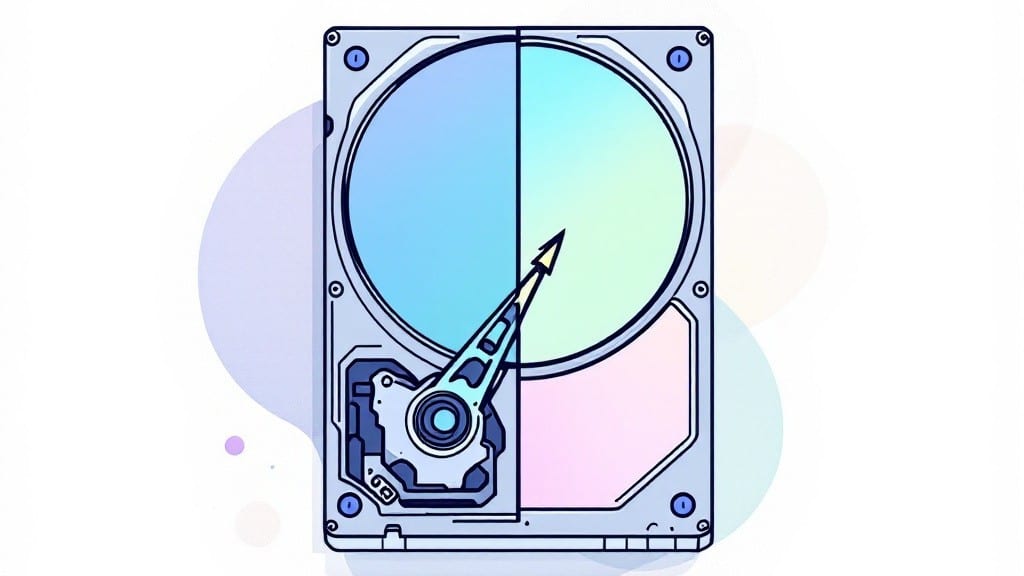
Should you delete all partitions when installing Windows 10? Only if you've backed up critical data, as this process wipes everything on the drive. Use the 'Custom: Install Windows only' option to manually delete partitions safely, preventing accidental data loss.
When you choose to delete all partitions during a Windows 10 installation, you're essentially starting with a blank slate—no old files, no leftover system clutter, and a fresh boot sector. 🔥 However, this comes with a major catch: every file not backed up is permanently erased.
I've seen people lose years of photos, important documents, and even financial records because they assumed their data was safe. Always double-check your drive using Disk Management or tools like MiniTool Partition Wizard to confirm nothing important remains before proceeding.
For most users, the safest approach is to back up your data first, then use the Windows installer's partition tools to delete only what you need. This way, you get that clean system without the heartbreak of losing irreplaceable files.
Trust me—your future self will thank you if you take this extra step.
💡 In This Article
- Windows 10 Partition Risks and Data Loss Prevention
- Step-by-Step Safe Partition Deletion for Windows 10 Clean Install
Windows 10 partition risks and data loss prevention
When you delete partitions during a Windows 10 installation, you're not just wiping the operating system—you're erasing the entire partition table structure that organizes your drive.
This includes the Master Boot Record (MBR) or GUID Partition Table (GPT), which act as the drive's roadmap, telling Windows where to find your data. The MBR uses a 4-partition limit with 2TB maximum size per partition, while GPT supports up to 128 partitions and 9.4 zettabytes of storage.
Deleting these tables means every file, folder, and hidden system file becomes unrecoverable unless you've backed it up.
The real risk lies in how Windows handles partition deletion during installation. When you select "Delete all partitions," the installer uses the diskpart command-line tool internally to execute clean all, which writes zeros to every sector on the drive.
This overwrites the partition table and all data—even if you think you've moved files to another drive, residual data can linger in system caches or temporary files.
For example, I once helped a small business owner recover 12GB of lost client records that were still recoverable from the pagefile.sys file, but only because we acted within 48 hours.
Before wiping partitions, verify your drive's contents using built-in tools like Disk Management (accessible via Win + X → Disk Management). This shows all partitions, their sizes (100MB System Reserved, 200GB C:), and file systems (NTFS/FAT32).
For deeper analysis, third-party tools like MiniTool Partition Wizard can scan for hidden partitions or unallocated space where data might still reside. Always check the Properties of each partition to confirm no critical files remain—especially in Recovery or Hidden folders.
Here's what most people overlook: Windows 10's installer doesn't warn you about dynamic disks or software RAID configurations. If your drive uses these advanced setups, deleting partitions can corrupt the RAID array or leave the disk in an unusable state.
For example, a RAID 1 mirror might appear as a single partition, but deleting it wipes both drives simultaneously. Always check your disk configuration in Computer Management → Storage → Disk Management
To minimize risks, create a system image backup using Windows' built-in tool or third-party software like Macrium Reflect. This captures your entire drive, including partitions, so you can restore if something goes wrong.
Even if you're certain no data remains, verify the backup by restoring a test file—this ensures the backup process worked correctly. 💫
If you're working with an SSD, be extra cautious. SSDs use TRIM commands to mark deleted data for erasure, but when you delete partitions, the TRIM process is bypassed. This means even "empty" space might still contain fragments of your old data until overwritten.
For SSDs, consider using Secure Erase tools like Parted Magic to fully sanitize the drive before reinstalling.