
Tip & Trick
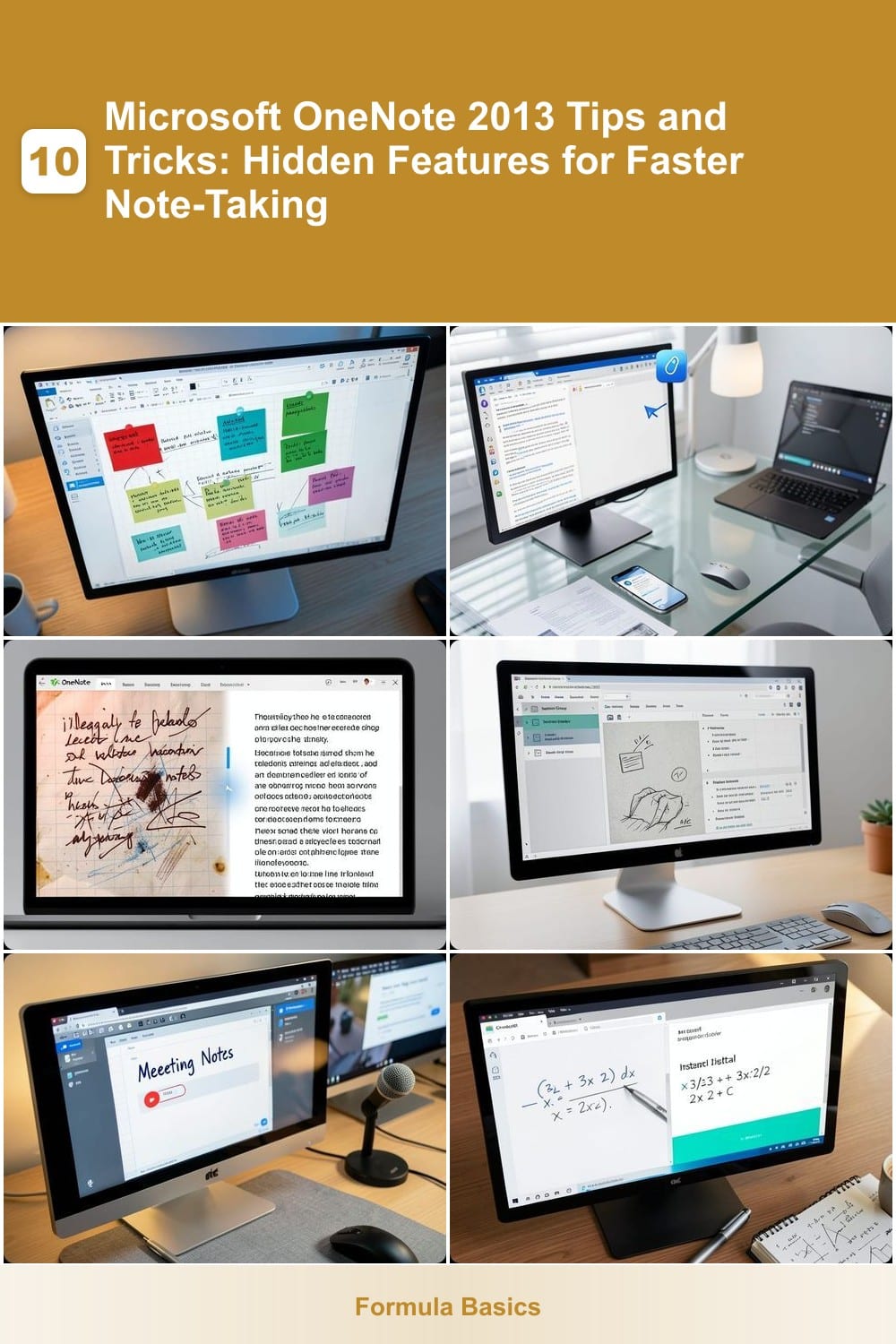
Microsoft OneNote 2013 remains a powerhouse for digital note-taking, but many users miss its hidden productivity boosters. These 10 underrated tips and tricks will transform how you organize, search, and collaborate—cutting your note-taking time in half.
Tagging System for Instant Note Organization
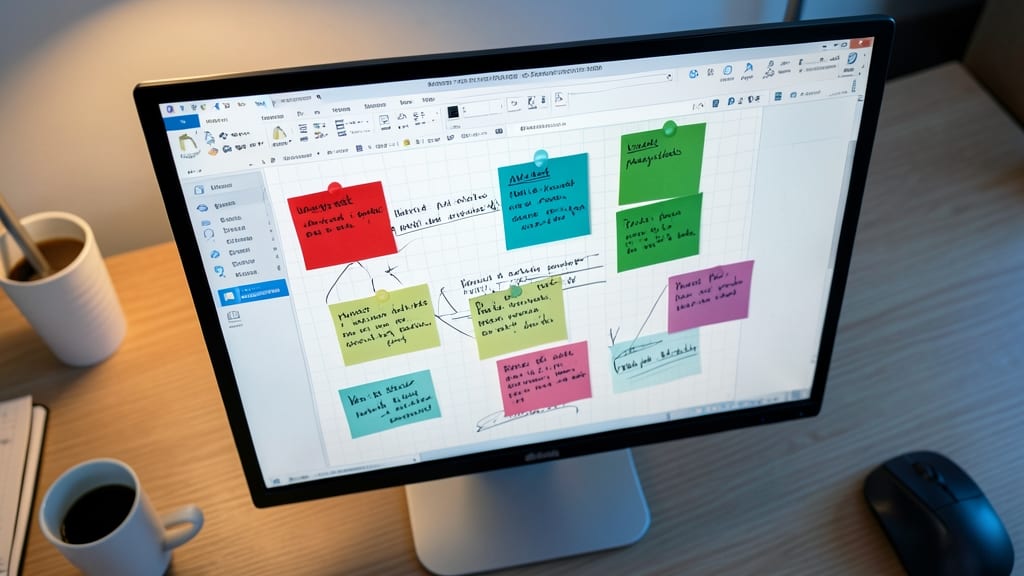
Drowning in digital clutter? OneNote 2013’s tagging system replaces rigid folders with vibrant, color-coded labels that adapt to your workflow. Instead of digging through nested sections, simply slap a red tag on urgent tasks, a blue tag for work projects, or a green tag for personal ideas—then filter your entire notebook in seconds.
The magic happens when you combine tags with OneNote’s search function. Type “Show me all my red-tagged notes from last week” and watch it pull up every priority item instantly—no manual sorting required. Tags sync seamlessly across your PC, tablet, and phone, so your organization stays consistent whether you’re at your desk or on the go. The system even lets you nest tags (e.g., “Work → Client X”) for deeper categorization without the visual mess of folders.
Perfect for students juggling classes and projects, professionals tracking multiple deadlines, or creatives collecting inspiration. Ditch the folder fatigue and let tags do the heavy lifting—your future self will thank you for the instant clarity. ✨
Quick Capture with OneNote Clipper
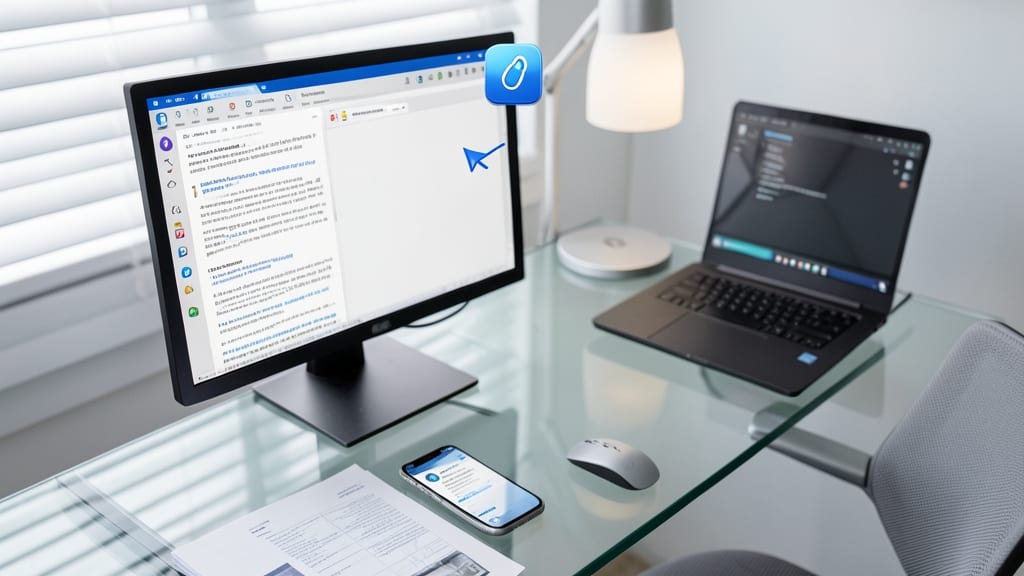
Tired of manually copying research articles or meeting notes into OneNote? The OneNote Clipper browser extension lets you save entire web pages, screenshots, or even emails directly to your notebook with a single click—no app switching required.
Install the Clipper from the Microsoft website, then pin it to your browser toolbar. Highlight text, capture a screenshot, or save a full webpage, and OneNote automatically organizes it into a new page. The clipboard history feature even lets you batch-save multiple items at once, while OCR technology converts scanned documents or images into editable text.
Perfect for researchers, meeting attendees, or anyone drowning in digital clutter, this tool turns passive browsing into active note-taking. Try it next time you find that perfect article—your future self will thank you for the instant organization. ⚡
Handwriting to Text Conversion
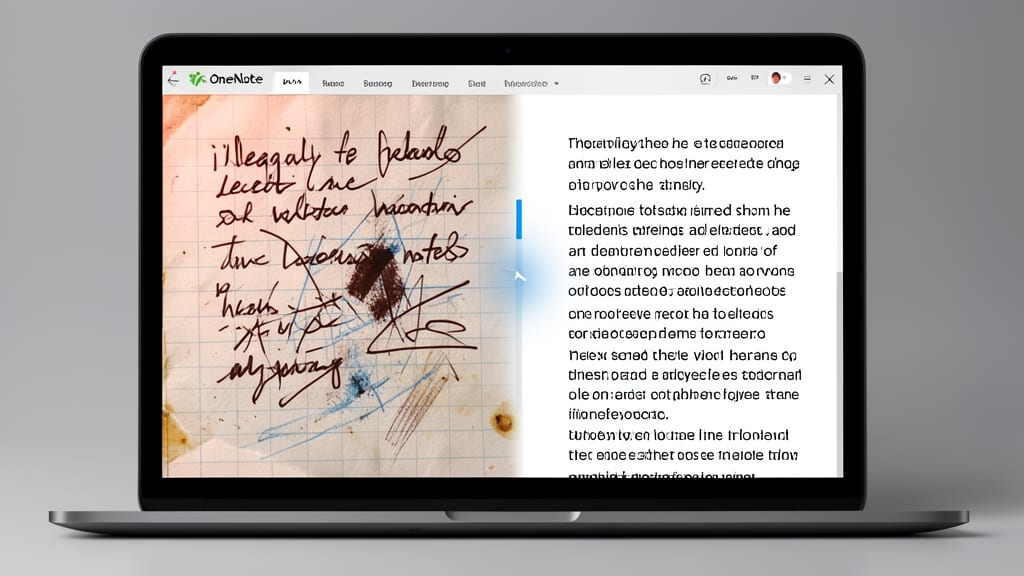
Tired of retyping illegible lecture notes or scribbled brainstorming sessions? OneNote 2013’s handwriting-to-text conversion feature turns your messy ink into polished digital text with just a few clicks. No more staring at chicken scratch—just clean, editable content ready for emails or reports.
Simply select your handwritten notes, click the Convert to Text button, and watch OneNote’s OCR (Optical Character Recognition) engine work its magic. It handles cursive, print, and even math equations—just like magic, but with 95% accuracy. The best part? You can tweak the output formatting to match your style.
Students, meeting takers, and quick thinkers will love this—no more transcription headaches. Perfect for lectures, lab notes, or those "I’ll type this later" moments that never happen. ✨
Section Groups for Hierarchical Organization
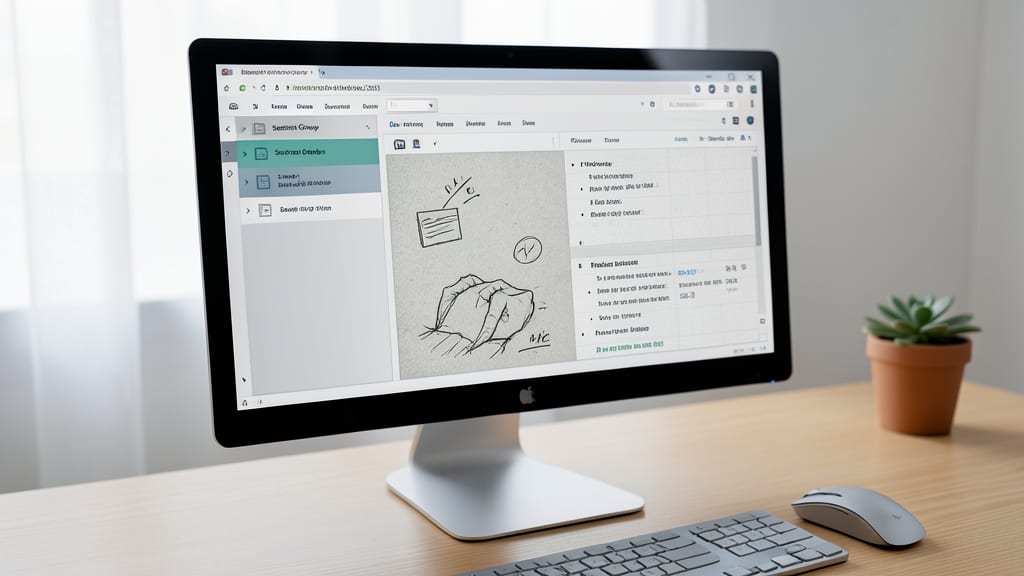
Struggling to keep long-term projects organized without drowning in visual chaos? Section Groups in OneNote 2013 let you nest related sections into collapsible containers—think of them as digital folders with expandable handles. This feature keeps your notebook tidy while preserving deep organizational structure, so you can hide details until needed.
To create a group, simply drag sections onto each other in the navigation pane. The collapsible arrows let you toggle visibility instantly, and groups support unlimited nesting—ideal for complex workflows like research papers or software documentation. You can even rename groups to match your project phases (e.g., "Draft → Review → Final").
Perfect for architects, researchers, or project managers juggling detailed documentation. Try grouping your next big project’s phases—your future self will thank you for the clarity. ✨
Audio and Video Recording Directly in Notes
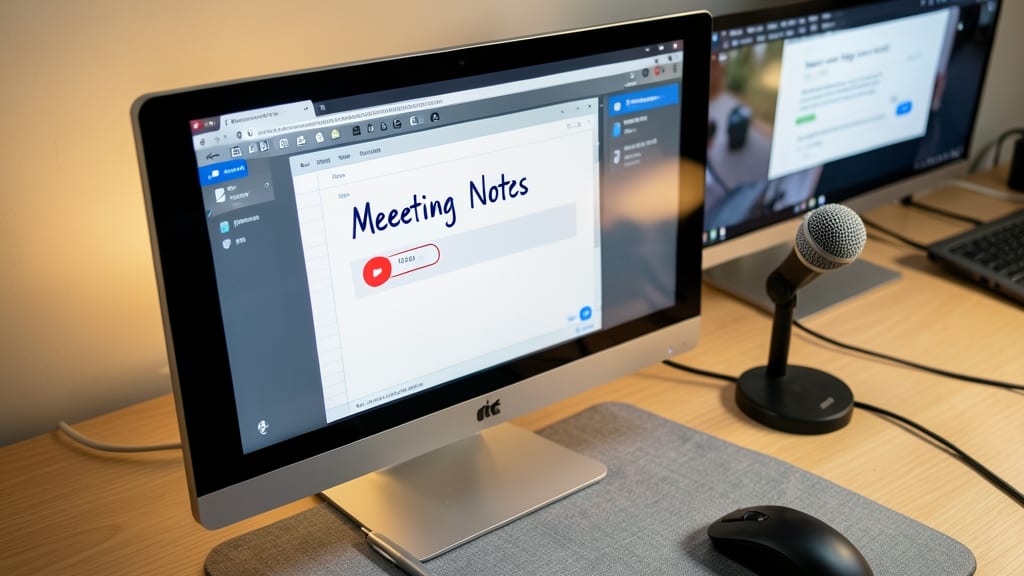
Ever struggled to remember a conversation or troubleshoot a tech issue because you only had text notes? OneNote 2013’s built-in audio and video recording tools let you embed voice memos or screen captures directly into your notes—no extra apps needed.
Simply click the red record button in the ribbon to start capturing audio or screen activity. The recordings appear as interactive media objects, so you can play them back anytime. This is a game-changer for interview notes, coding walkthroughs, or step-by-step tutorials—just type your key points alongside the visual/audio context.
Perfect for developers documenting bugs, educators capturing lectures, or anyone who needs to preserve context-rich details without juggling separate files. ⚡
Math Equation Solver with Ink
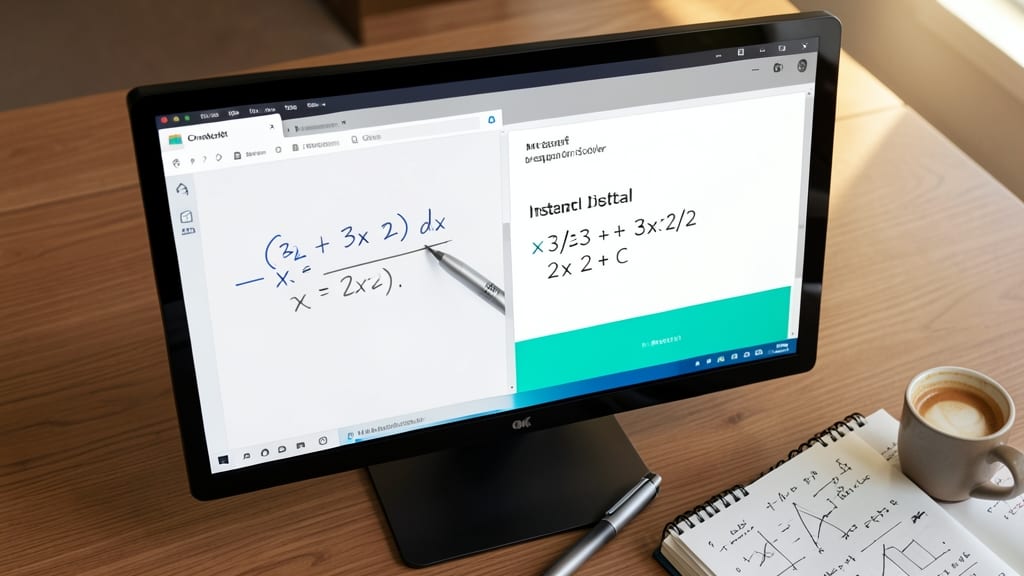
Stuck on a math problem during a lecture or brainstorming session? OneNote 2013’s Math Equation Solver with Ink turns your handwritten scribbles into instant digital solutions—no calculator or separate app needed.
Simply write an equation with your stylus or finger, and OneNote recognizes symbols, variables, and operations to display step-by-step solutions. It handles everything from basic algebra to complex calculus, including fractions, integrals, and matrices. The feature even converts handwritten answers into editable digital text for easy reference later.
Perfect for students cramming for exams, engineers sketching formulas, or anyone who prefers pen-and-paper workflows. No more switching apps mid-thought—just solve and save in one seamless step. ✨
Offline Access and Sync with SkyDrive
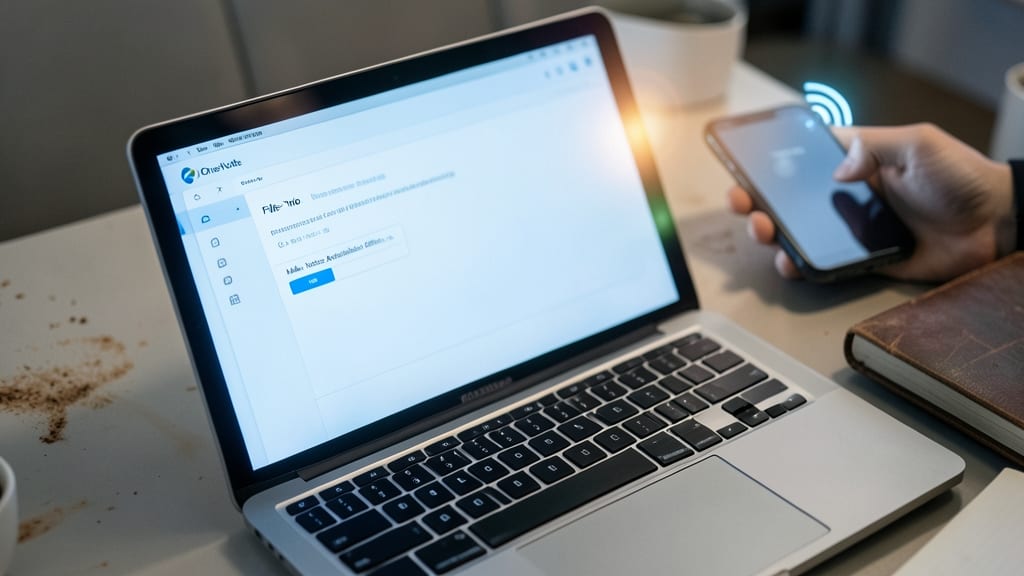
Forget the frustration of losing work when your Wi-Fi cuts out—OneNote 2013’s offline mode lets you keep creating even without internet. Whether you're on a plane, in a café with spotty signals, or just stuck in a dead zone, your notes stay safe until you reconnect.
Enable it by clicking File > Info > Work Offline, and all your changes sync automatically to SkyDrive the next time you connect. The best part? You can even edit notes offline that were previously synced, ensuring no ideas slip through the cracks. This feature works seamlessly across devices, so your tablet, laptop, and phone stay in perfect sync.
Perfect for frequent travelers, remote workers, or anyone with unreliable internet, this trick turns OneNote into an always-available digital notebook. ✨
Templates for Standardized Note Formats
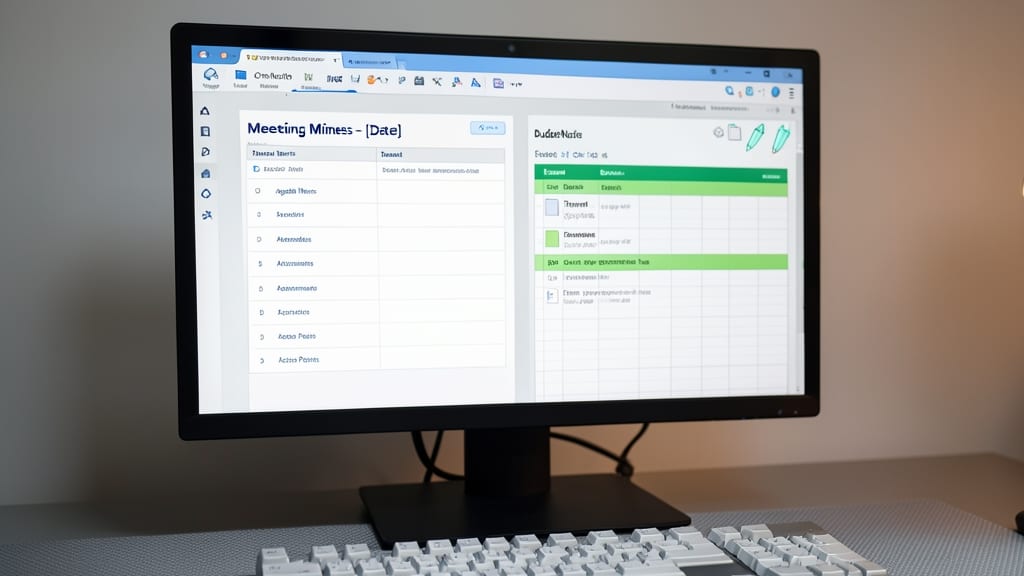
Tired of recreating the same meeting notes or project trackers from scratch every time? OneNote 2013’s built-in templates let you skip the formatting and dive straight into content—whether you’re documenting a brainstorm session or tracking a budget.
From structured meeting minutes with timestamps and action items to customizable to-do lists with checkboxes, these templates enforce consistency across your notes. The project tracker template even includes Gantt-style progress bars to visualize deadlines at a glance. Best of all, they’re fully editable, so you can tweak layouts without starting from zero.
Perfect for teams, students, or anyone juggling multiple note types—just pick a template, fill in the blanks, and save hours of setup. ✨
Share Notebooks with Granular Permissions
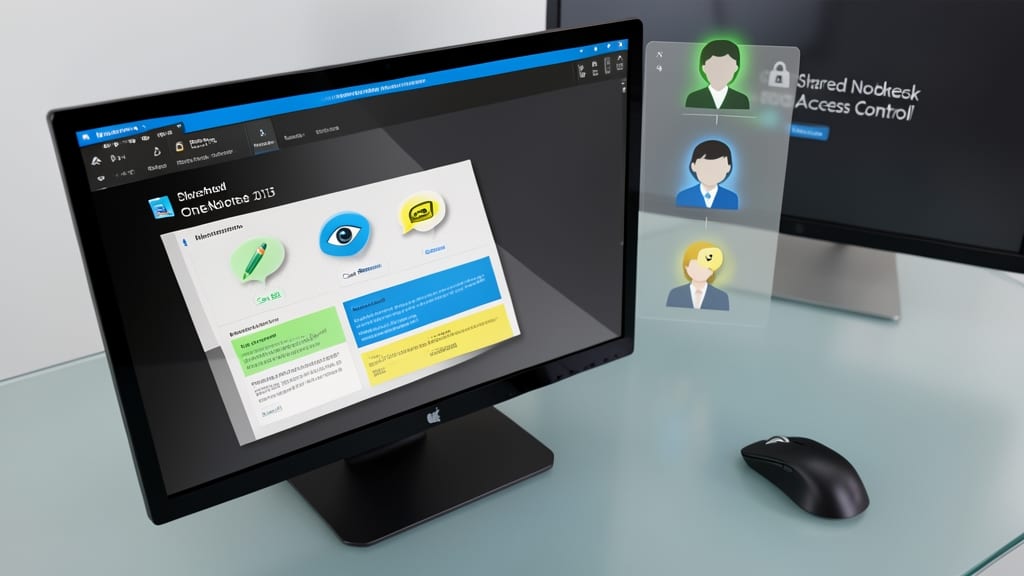
Turn your OneNote 2013 notebooks into secure collaboration hubs without sacrificing privacy. The Share Notebook feature lets you control who sees what by assigning three distinct permission levels: Can Edit for full access, Can Review for read-only viewing, or Can Comment to allow feedback without exposing sensitive details.
Simply right-click your notebook, select Share, and enter email addresses—OneNote handles the rest. You’ll get real-time syncing and version history, so edits are always tracked. This is especially useful for family planning (like vacation itineraries) or team projects where not everyone needs admin access.
Perfect for small businesses, study groups, or even coordinating household tasks—no more emailing drafts or losing track of changes. 💻
Quick Search with Natural Language Queries
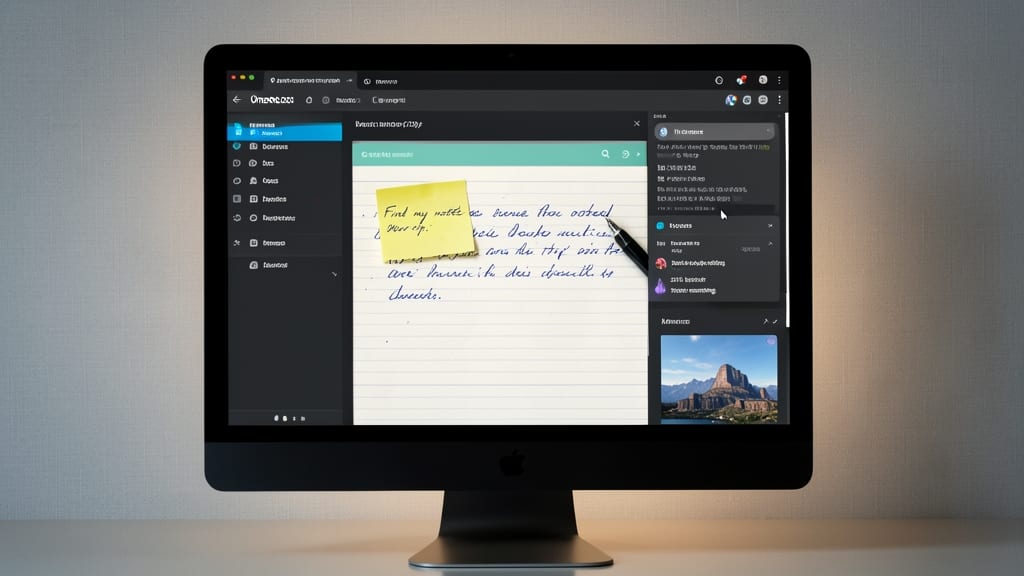
Forget typing rigid keywords—OneNote 2013’s natural language search lets you find notes using full sentences like "Show me my 2013 budget" or "Find my notes about the Denver trip." This AI-powered feature understands context, so you’ll locate handwritten scribbles, embedded images, or even audio clips without remembering exact tags.
The search engine indexes everything—text, ink, tables, and media—so queries like "Where did I save that meeting agenda?" pull up results instantly. No need to recall folder structures or keywords; just phrase your request naturally. It’s especially useful when you’re juggling multiple projects, as the system learns from your notebook’s content over time.
Perfect for busy professionals or students drowning in notes, this trick saves minutes daily by cutting through clutter. Try it next time you’re hunting for that one elusive note—no more endless scrolling! ✨